

How to Choose Best Monitor Speakers
Choosing the right monitor speakers is crucial for anyone involved in music production, mixing, or even just enjoying high-quality audio. Unlike regular speakers, monitor speakers are designed to deliver an accurate sound representation, making them an essential tool for professionals and audio enthusiasts alike. In this guide, we’ll walk you through how to choose the best monitor speakers for your needs.

The Definition of Monitor Speakers
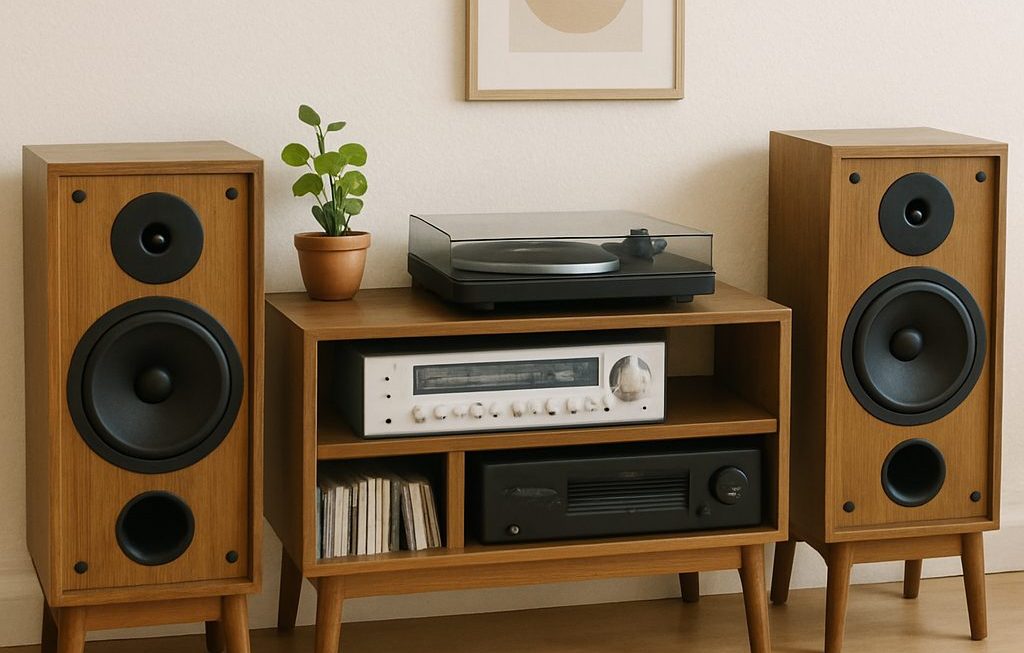
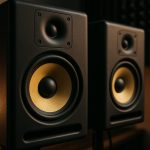
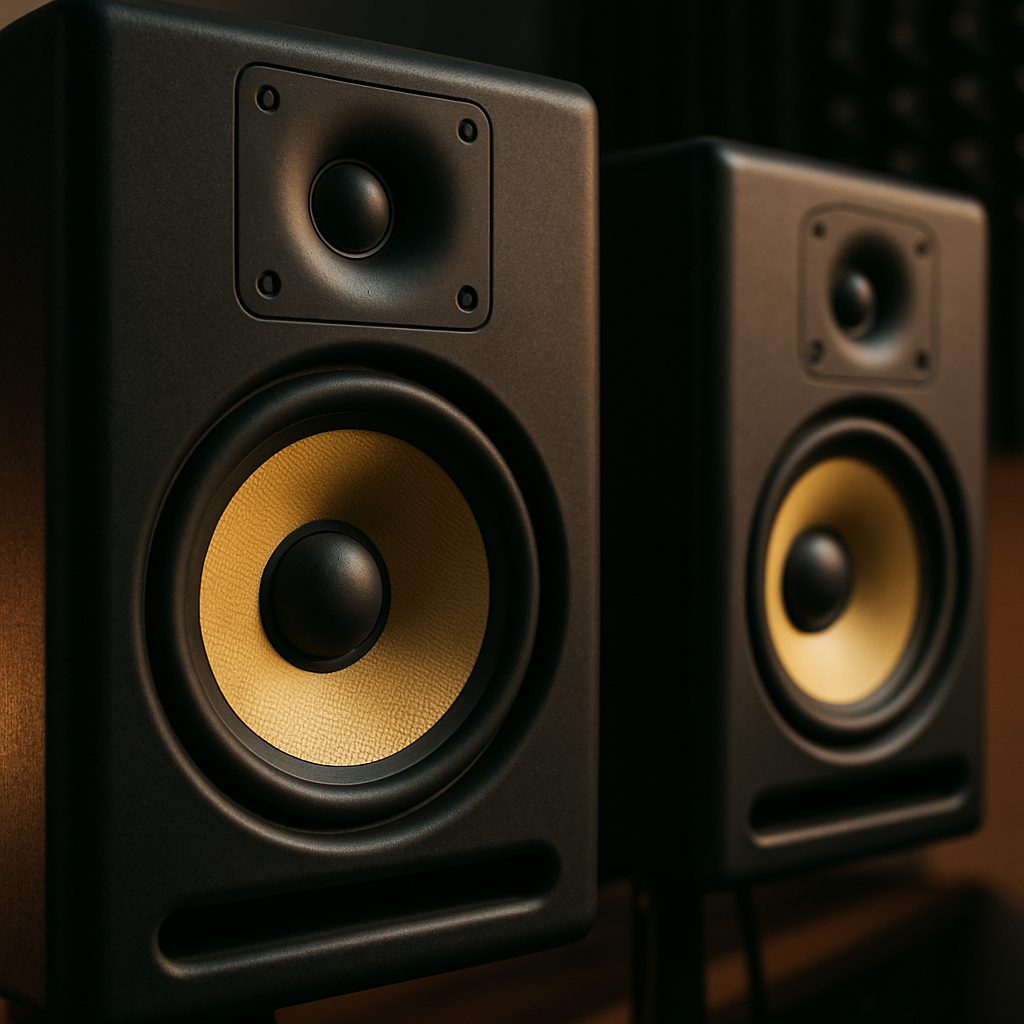
Monitor speakers, often referred to as studio monitors, are speakers used to produce a flat frequency response. This means they provide an uncolored sound that reveals the true nature of your audio. They are engineered to maintain integrity in sound reproduction, offering a truthful listening experience. This characteristic is crucial in professional settings where audio decisions impact the final product.
Benefits of Using Monitor Speakers
One of the primary benefits of monitor speakers is their precision. They are ideal for music producers, sound engineers, and anyone who wants to hear their music as it truly is. This accuracy allows producers to detect errors and make necessary adjustments during the mixing process. Furthermore, the precise sound they deliver enhances the listening experience, providing a deeper appreciation of the music’s nuances.
Casual Listening with Monitor Speakers
But are monitor speakers good for listening to music casually? Absolutely. Their precision allows listeners to experience music the way it was intended. For audiophiles, this means uncovering new layers and details in tracks they thought they knew well. For casual listeners, it presents an opportunity to enjoy music with greater clarity and depth, enhancing their overall enjoyment.
Monitor Speaker vs. Regular Speaker
Design and Purpose Differences
Monitor speakers differ from regular speakers in several ways. While regular speakers often enhance certain frequencies to make music sound more appealing, monitor speakers aim to reproduce sound accurately without any enhancements. This contrast is particularly noticeable in home audio systems designed for entertainment purposes, where bass and treble might be exaggerated.
Sound Reproduction Characteristics
The sound reproduction characteristics of monitor speakers make them perfect for mixing and mastering, where precision is key. They provide a flat response that is crucial for identifying subtle details and imperfections. This flat response ensures that what you hear is exactly what was recorded, without any added coloration that might mislead your audio decisions.
Practical Applications
In practical applications, the choice between monitor and regular speakers hinges on your goals. For those seeking to create music, the neutrality of monitor speakers is invaluable. Conversely, if your primary goal is to enjoy music with enhanced bass and treble, regular speakers might be more suitable. However, for the discerning listener, the clarity of monitor speakers is unparalleled.
Key Considerations When Choosing Monitor Speakers
Size and Space

Assessing Your Environment
The size of the monitor speakers you choose should correspond to the space in which you will use them. Consider the dimensions of your room and how sound will travel within it. Larger speakers may deliver more power and bass but can overwhelm a small room, leading to distorted sound. Conversely, smaller speakers might not fill a larger space adequately, resulting in a lack of presence.
Balancing Power and Space
It’s essential to balance power and space when selecting your monitors. Bigger isn’t always better, especially in confined spaces where reflections and resonances can degrade sound quality. Smaller, well-placed speakers might offer a more balanced and enjoyable listening experience in such environments.
Placement Considerations
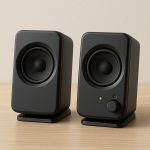
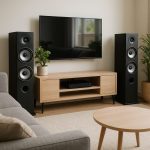
Additionally, think about where you will place the speakers. Desktop setups might benefit from compact designs, while dedicated studio spaces could accommodate larger models. The layout of your furniture and other elements in the room can also impact acoustics, so plan your setup to maximize sound quality.
Frequency Response
Understanding Frequency Range
Look for monitor speakers that offer a broad frequency response, typically ranging from 50 Hz to 20 kHz. This ensures that you can hear both the low and high frequencies clearly, which is crucial for mixing and mastering. A broad frequency range allows you to identify various elements in your mix, from deep bass lines to shimmering highs.
Importance in Audio Production
The importance of frequency response in audio production cannot be overstated. Accurate frequency response helps in crafting well-balanced mixes that translate well across different playback systems. Whether you’re working on a bass-heavy track or a delicate acoustic piece, having a speaker that faithfully reproduces these frequencies is vital.
Evaluating Speaker Specifications
When evaluating speaker specifications, pay close attention to the stated frequency response. Manufacturers often provide these details, but real-world performance can vary. Listening tests and reviews can provide additional insights into how a speaker handles different frequency ranges, helping you make an informed decision.
Active vs. Passive
Active Monitor Speakers
Monitor speakers come in two types: active and passive. Active speakers have built-in amplifiers, which means they don’t require external amplification and are often easier to set up. They are an all-in-one solution, simplifying your studio setup by reducing the number of components you need to manage.
Passive Monitor Speakers
Passive speakers, on the other hand, need an external amplifier. This configuration offers flexibility in terms of choosing your amplifier, which can influence the sound character. However, it also means more components and potential complexities in your audio chain.
Choosing the Right Type for You
Active speakers are generally more convenient for home studios and are the go-to choice for many producers. They offer consistency and ease of use. However, if you prefer to tailor your sound and have more control over amplification, passive speakers might be more suitable. Consider your technical expertise and studio needs when making your choice.
Budget
Setting a Realistic Budget
There are many good inexpensive studio monitors available that offer excellent sound quality. Your budget will play a significant role in your decision-making process. Set a budget range and look for speakers that offer the best performance within that range. Remember, the most expensive option is not always the best for your needs.
Value vs. Cost
When considering your budget, weigh the value against the cost. Some affordable models offer features and sound quality that rival more expensive options. Research and listen to different models to find the best balance of price and performance.
Long-Term Investment
Think of your monitor speakers as a long-term investment in your audio work. Spending a bit more upfront can yield better quality and longevity, saving you money in the long run. Carefully evaluate your needs and how much you’re willing to invest in achieving the best sound for your projects.
Top Monitor Speakers to Consider
Best Cheap Studio Monitors
Affordable Options Without Compromise
For those on a budget, there are several options available that don’t compromise on quality. Here are some of the best affordable studio speakers:
- Presonus Eris E3.5: Known for their balanced sound and great value, these are perfect for small spaces. Their compact size makes them ideal for home studios or desktop setups, delivering quality sound without breaking the bank.
- Mackie CR3-X: These speakers provide a clear sound and are built with flexibility in mind, ideal for entry-level producers. With robust construction and versatile connectivity options, they suit various audio tasks.
Evaluating Budget Monitors
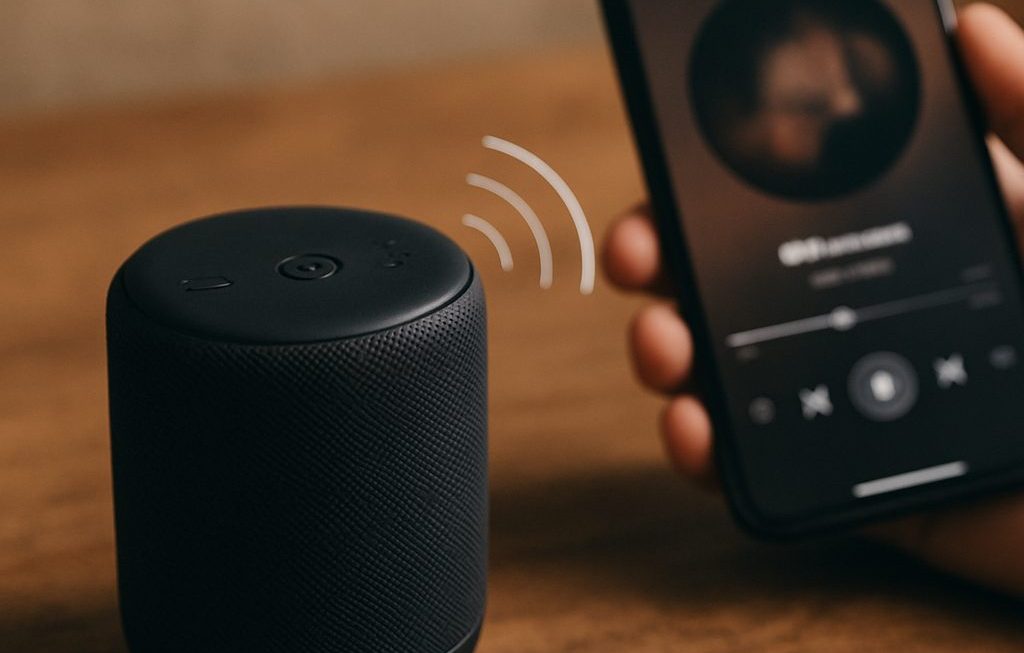
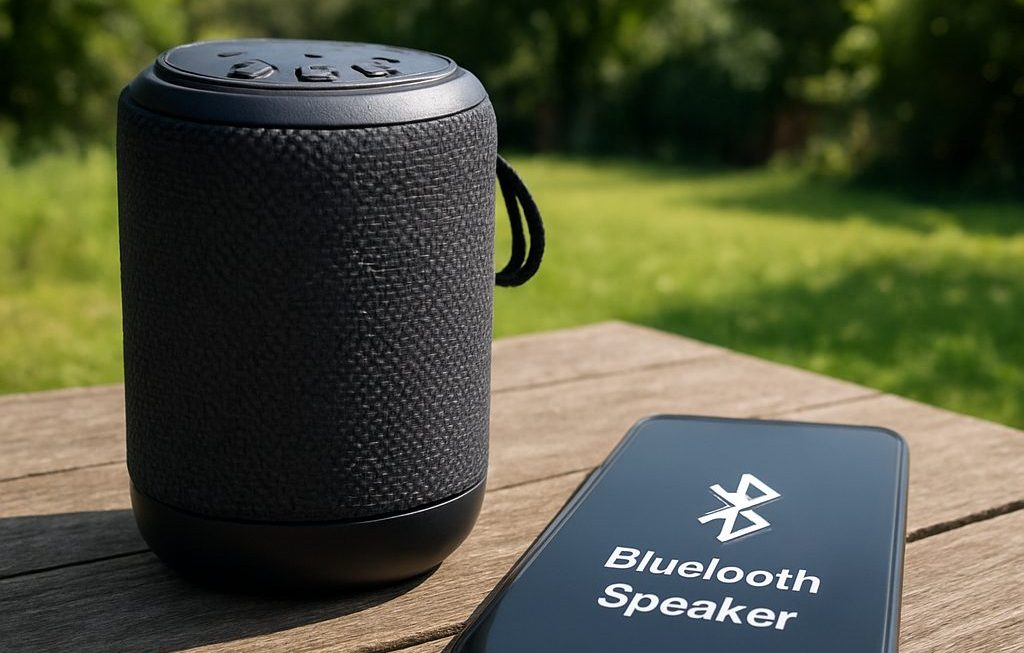
When evaluating budget monitors, consider their build quality, sound characteristics, and any additional features. Some models offer Bluetooth connectivity or additional inputs, adding versatility to their use. Reviews and user feedback can provide valuable insights into their real-world performance.
Making the Most of Your Budget
Maximizing your budget involves prioritizing sound quality over extra features. A well-built speaker with excellent sound reproduction is more valuable than one with gimmicks. Focus on models that provide reliable performance and have received positive reviews from other users.
Best Rated Studio Monitors
Top Picks for Professionals
If you’re looking for the best studio monitor speakers, consider these top-rated options:
- Yamaha HS8: Renowned for their accuracy and clarity, these monitors are a favorite among professionals. Their reputation for delivering a neutral and precise sound makes them a staple in many studios.
- KRK Rokit 8 G4: Known for their punchy bass and clear sound, they are excellent for modern music genres. Their distinctive yellow cones are not just for show; they provide impactful performance for electronic music and hip-hop.
Features of Top-Rated Monitors
Top-rated monitors often feature advanced components and technologies that enhance sound accuracy. Look for features like room tuning options, which allow you to adjust the speaker’s output to suit your environment. These features can significantly improve your listening experience and mix quality.
Professional Endorsements
Many of the best-rated monitors receive endorsements from professional producers and audio engineers. These endorsements can serve as a testament to their quality and reliability. Consider seeking out testimonials and case studies to understand how these monitors perform in professional settings.
Best Monitors for Music Production
Ideal Choices for Producers
For those dedicated to music production, the following monitors are highly recommended:
- Adam Audio A7X: These speakers offer exceptional detail and depth, making them perfect for mixing and mastering. Their ribbon tweeters provide a unique listening experience, capturing high frequencies with precision.
- Focal Alpha 65: With their precise imaging and wide sweet spot, they are ideal for critical listening. Their design ensures that you hear every detail in your mix, regardless of your position in the room.
Sound Quality and Detail
Sound quality and detail are crucial for music production, where every element of the mix matters. These monitors are designed to reveal the subtleties in your music, allowing for informed decisions during the production process. Their accuracy ensures that your final product sounds great on any playback system.
Balancing Features and Needs
When choosing monitors for music production, balance features with your specific needs. Consider factors like room size, genre, and workflow preferences. The right monitors will complement your production style, providing the tools you need to create high-quality music.
Setting Up Your Monitor Speakers
Placement
Achieving Optimal Sound Quality
Proper placement of your monitor speakers is crucial for achieving the best sound quality. Place them at ear level and form an equilateral triangle with your listening position. This setup ensures that you are in the “sweet spot,” where sound from both speakers reaches your ears simultaneously.
Avoiding Common Mistakes
Avoid placing them too close to walls, as this can affect the bass response. Proximity to walls can cause reflections that muddy the sound, particularly in the low frequencies. Give your speakers enough space to breathe and produce a clear, accurate sound.
Fine-Tuning Your Setup
Fine-tuning your setup might involve adjusting speaker angles or experimenting with different placements. Small changes can have a significant impact on sound quality. Use test tracks and critical listening to find the arrangement that works best for your space.
Acoustic Treatment
Enhancing Your Listening Environment
Consider adding acoustic treatment to your room to minimize reflections and improve sound quality. This can include bass traps, diffusers, and absorbers placed strategically around your space. These treatments help control sound reflections and absorption, leading to a more accurate listening environment.
Types of Acoustic Treatments
Different types of acoustic treatments serve various purposes. Bass traps manage low-frequency buildups, diffusers scatter sound to reduce echoes, and absorbers dampen reflections. Understanding the role of each type helps you choose the right combination for your room.
DIY vs. Professional Solutions
You can opt for DIY solutions or seek professional acoustic treatment services. DIY options include foam panels and homemade diffusers, while professional services offer custom solutions tailored to your space. Consider your budget and requirements when deciding on the best approach.
Calibration
Importance of Calibration
Calibrating your speakers ensures that you are hearing an accurate representation of your audio. Proper calibration accounts for room acoustics and speaker placement, providing a neutral starting point for critical listening and mixing.
Tools for Calibration
Use a sound level meter to measure the output and adjust the levels accordingly. Calibration software can also assist in aligning your speakers’ output with industry standards. These tools help you achieve a balanced sound that translates well across different systems.
Ongoing Maintenance
Calibration isn’t a one-time task; ongoing maintenance ensures that your setup continues to perform optimally. Periodically check your calibration settings and make adjustments as needed. Regular maintenance helps maintain consistency in your audio work.
Conclusion

by Dirk Gonçalves Martins (https://unsplash.com/@kokaleinen)
Choosing the right monitor speakers involves understanding your needs, the space you have, and how much you’re willing to invest. Whether you’re looking for the best inexpensive studio monitors or the top audio speakers for professional use, there’s a wide range of options to suit your requirements.
In summary, prioritize accuracy, consider the size of your room, and don’t forget the importance of proper setup and calibration. By following these guidelines, you’ll be well on your way to finding the perfect monitor speakers for your studio, ensuring that every note, beat, and melody is heard in its truest form. Happy listening!