Choosing the Best Podcast Microphone for You
Podcasting has become an influential medium for storytellers, educators, and entrepreneurs alike. Whether you are just starting your podcasting journey or looking to upgrade your current setup, choosing the right microphone is crucial to achieving high audio quality. In this guide, we’ll explore various types of podcast microphones, what to look for when selecting one, and some recommendations to get you started.

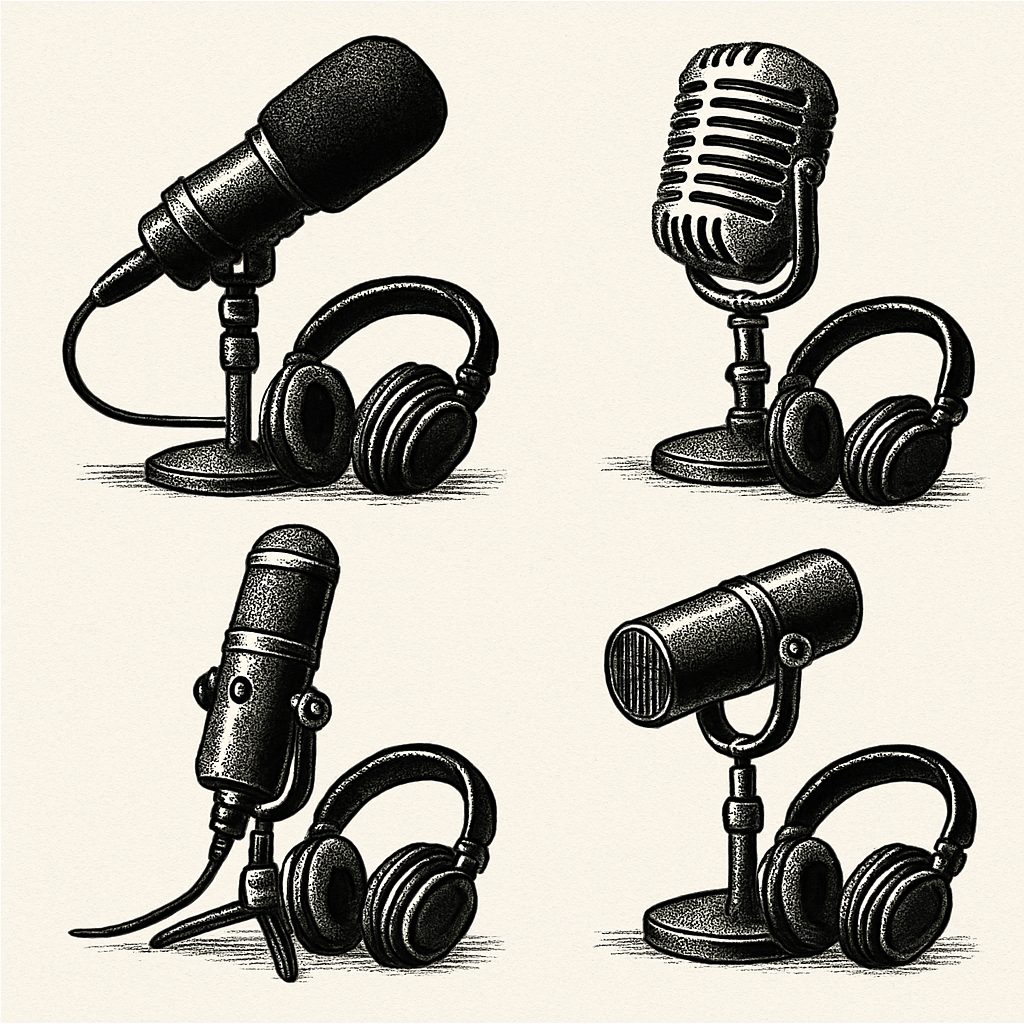
When it comes to microphones for podcasts, there are several options available, each with its own set of features and benefits. Let’s dive into the most common types:
Dynamic Microphones
Dynamic microphones are a popular choice among podcasters due to their durability and ability to handle high sound pressure levels. They are less sensitive to background noise, making them ideal for recording in less-than-perfect acoustic environments. These microphones are also known for their resilience and longevity.
Condenser Microphones
Condenser microphones are highly sensitive and capture a wide range of frequencies, making them suitable for studio environments. They are excellent for capturing vocals with clarity and detail. However, they do require a quieter space to avoid picking up unwanted ambient sounds.
USB Microphones
USB microphones are perfect for beginners and those seeking simplicity. They plug directly into your computer, making them convenient and user-friendly. While they may not offer the same audio quality as XLR microphones, they are a great affordable option for getting started.
XLR Microphones
XLR microphones are the professional standard in the podcasting industry. They require an audio interface or mixer to connect to your computer but offer superior sound quality and flexibility. If you are serious about podcasting, investing in an XLR setup might be worth considering.
Key Features to Consider
When selecting a podcast microphone, there are several key features to keep in mind:
Polar Pattern
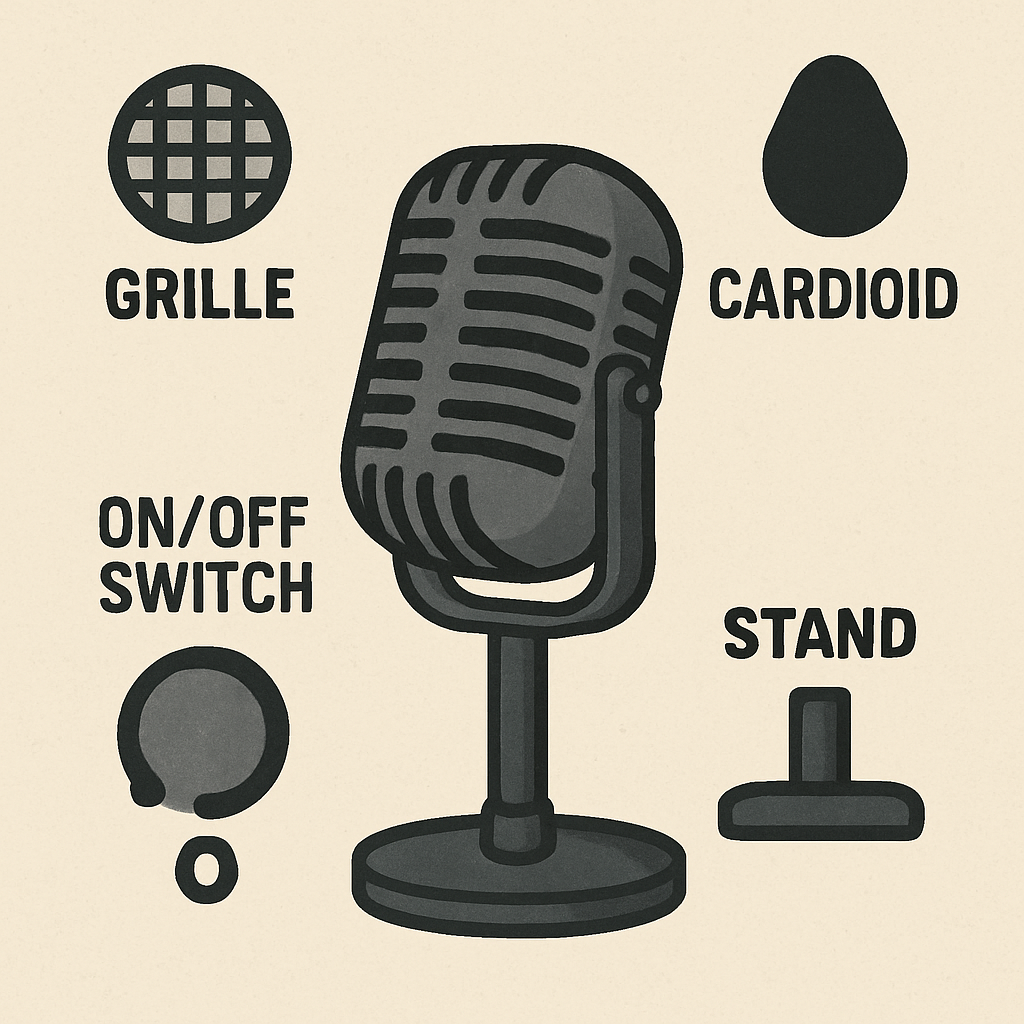
The polar pattern determines how a microphone picks up sound from different directions. Common patterns include cardioid, omnidirectional, and bidirectional. For most solo podcasts, a cardioid pattern is ideal as it focuses on sound from the front while minimizing background noise.
Frequency Response
Frequency response refers to the range of sound a microphone can capture. Look for a microphone with a frequency response that suits your voice and the type of content you plan to produce.
Connectivity
Consider whether you prefer a USB or XLR microphone. USB microphones are plug-and-play, while XLR microphones require additional equipment but offer higher sound quality.
Portability
If you plan to record on the go or travel frequently, consider a microphone’s portability. Lightweight and compact microphones are easier to transport without sacrificing quality.
Podcast Microphone Recommendations

by Erik Mclean (https://unsplash.com/@introspectivedsgn)
Here are some top recommendations for podcast microphones across various categories:
Best Inexpensive Podcast Microphone
- Audio-Technica ATR2100x-USB: This microphone offers both USB and XLR connectivity, making it versatile for different setups. It’s affordable and provides excellent sound quality for its price.
Best Travel Podcast Microphone
- Rode NT-USB Mini: Compact and easy to carry, the Rode NT-USB Mini is perfect for podcasters on the move. It features a built-in pop filter and a headphone output for zero-latency monitoring.
Best Podcast Microphone for Beginners
- Blue Yeti USB Microphone: Known for its versatility, the Blue Yeti offers multiple polar patterns and straightforward USB connectivity. It’s an excellent choice for beginners looking to experiment with different recording styles.
Best Podcast Microphone for Professionals
- Shure SM7B: A favorite among professional podcasters and broadcasters, the Shure SM7B is an XLR microphone known for its warm and smooth sound. It’s ideal for studio setups and provides exceptional audio quality.
Accessories to Enhance Your Setup
A great microphone is just one part of a successful podcasting setup. Here are some accessories that can enhance your recording experience:
Microphone Stand or Arm
A sturdy microphone stand or boom arm can help position your microphone optimally and reduce handling noise. Consider options like the Heil Sound PL-2T Boom Arm for flexibility and durability.
Pop Filter
A pop filter minimizes plosive sounds (like “p” and “b” noises) that can distort your audio. It’s a simple but effective tool to improve your recording quality.
Shock Mount
A shock mount isolates your microphone from vibrations and handling noise. It’s particularly useful if you’re recording in a shared space or a room with foot traffic.
Audio Interface
If you’re using an XLR microphone, an audio interface is essential for connecting your microphone to your computer. Look for interfaces with low latency and high-quality preamps, such as the Focusrite Scarlett 2i2.
Tips for Achieving Optimal Podcast Audio Quality
Selecting the right microphone is just the beginning. Here are some additional tips for achieving great podcast audio quality:
- Record in a Quiet Environment: Minimize background noise by choosing a quiet room and using sound-absorbing materials like foam panels or blankets.
- Position Your Microphone Correctly: Ensure your microphone is at an appropriate distance from your mouth to capture clear audio without distortion.
- Monitor Your Audio Levels: Use headphones to monitor your recordings in real-time and adjust levels as needed to avoid clipping or distortion.
- Edit and Enhance Your Audio: Post-production tools like noise reduction and equalization can polish your recordings and enhance overall audio quality.
Conclusion
Choosing the best podcast microphone involves considering your specific needs, budget, and recording environment. Whether you’re a beginner or a seasoned podcaster, the right microphone can make a significant difference in your audio quality. With the recommendations and tips provided in this guide, you’re well on your way to producing professional-sounding podcasts that captivate your audience.